





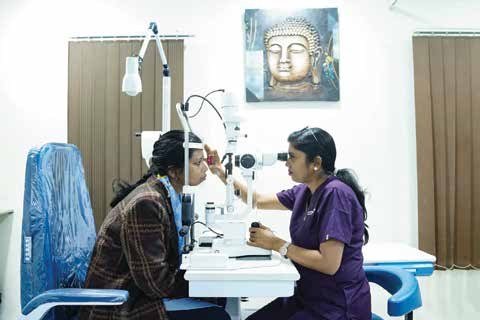
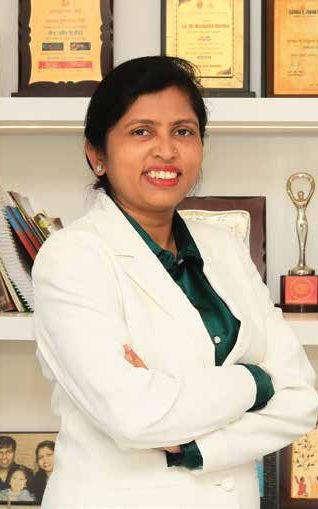
In a city where specialised neonatal eye care was once largely absent, Dr Hemlata Bharti has quietly emerged as a pathbreaker. Currently practising at Life Care Hospital and Global Hospital, she is the first and only paediatric ophthalmologist in Ranchi—a distinction that reflects both rarity and responsibility.
Dr Hemlata explains that a newborn’s eyes are fundamentally different from those of adults. They are delicate, still developing, and extremely sensitive to light and external stimuli. “The first few months after birth are crucial,” she says. Simple responses—such as a baby reacting to light or moving their head toward it—often indicate normal visual development.
However, she strongly advises parents not to rely on observation alone. Regular eye check-ups at three months, one year and then every year are essential to detect problems early
One of the most common concerns she encounters today is childhood myopia. With increasing exposure to mobile phones, tablets, and prolonged near-vision activities, children are developing weak eyesight at younger ages. She cautions parents to maintain balance—excessive screen time and even long hours of continuous reading without breaks can strain a child’s eyes.
Squint, another frequently seen condition, often causes anxiety among parents. Dr Hemlata clarifies that surgery is not always the solution. “Many cases respond well to glasses and guided eye exercises,” she notes, emphasising the importance of timely diagnosis.
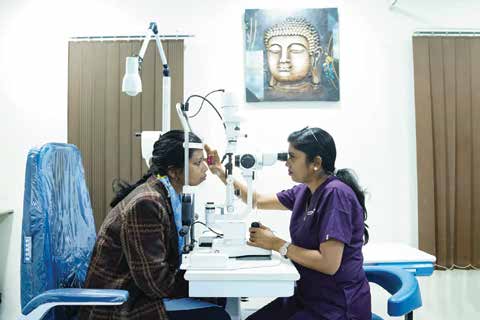
Beyond clinical factors, Dr Hemlata also draws attention to lifestyle and nutrition. Diets heavy in junk food, low in nutrients and adulteration in food can adversely affect vision. She advocates colourful fruits and vegetables, outdoor play, and reduced indoor confinement. “Children need to explore the world visually,” she says. “Outdoor games help develop not just eyesight, but perception and sensory coordination.”
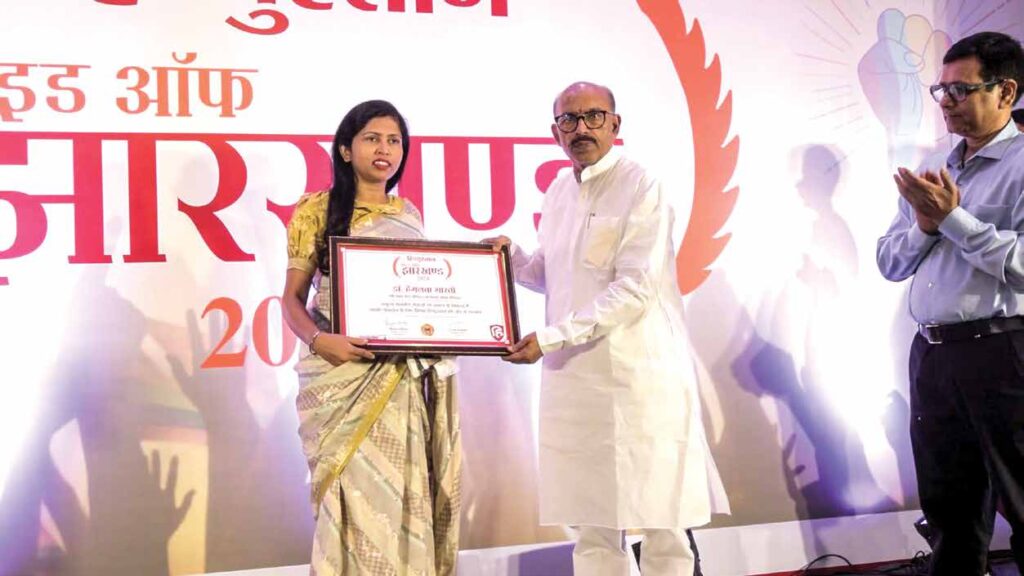
For Dr Hemlata, vision is closely linked to cognition. “The eye is the mind’s window. What a child sees shapes how the brain functions,” she believes, adding that clear eyesight plays a role in building intelligence and confidence.
Her work extends beyond hospital walls. Through regular eye-check camps in villages, she creates awareness among parents who often remain unaware of early eye disorders. A trained paediatric ophthalmologist, she is now planning to introduce low-vision aid in Ranchi. It is a device that uses light and sound to help visually challenged children navigate their surroundings with greater independence.
In a field where patients cannot voice their discomfort, Dr Hemlata’s work stands as a reminder that early care, informed parenting, and timely intervention can change a child’s entire future—quite literally, by helping them see it clearly.